



- Plants possess multiple genetic systems, including nuclear DNA and chloroplast DNA, each following a different evolutionary pathway.
- A graduate student from Sri Lanka discovered that chloroplast DNA is not fixed but has gradually changed its structure over tens of millions of years.
- While nuclear DNA exists in only two copies per cell, chloroplast DNA is present in hundreds to thousands of copies, allowing small structural differences to potentially persist across generations.
- This study revealed that two structurally different forms of chloroplast DNA can coexist within a single plant.
- These structural differences originated during the early Miocene (approximately 12–28 million years ago) and have been maintained over long evolutionary timescales.
- This discovery was made possible by the large-scale collection of Citrus and related plant species established at Saga University, which includes culturally and medicinally important plants from Sri Lanka.
- The findings challenge the traditional view of chloroplast DNA as a stable genetic blueprint and provide new perspectives on plant evolution.
- The findings have been published in Nucleic Acids Research (impact factor 13.1).
【Researcher】
Eranga Pawani Witharana
Graduate Student, The United Graduate School of Agricultural Sciences, Kagoshima University, Kagoshima
(The research was conducted at the Faculty of Agriculture, Saga University.)

【Summary】
Plants carry more than one set of genetic information. In addition to nuclear DNA stored in the cell nucleus, plant cells also contain chloroplast DNA, which is found inside chloroplasts, the organelles responsible for photosynthesis. Ms. Eranga Pawani Witharana, a graduate student from Sri Lanka, discovered that chloroplast genomes have been slowly and continuously changing their structure over millions of years, following an evolutionary pathway fundamentally different from that of nuclear DNA.
DNA is often described as a “blueprint” or an “instruction book” for life. Nuclear DNA exists in only two copies per cell, like a valuable book available in just two editions. Even if a large structural change occurs, having only two copies means that, as the plant produces offspring, one version is passed on and quickly becomes fixed.
In contrast, chloroplast DNA exists in hundreds to thousands of copies within a single cell. This study demonstrates that, because of this high copy number, small structural differences do not disappear but instead remain and are passed on while gradually changing over tens of millions of years, as revealed by the evolutionary history of these plants.
By analyzing chloroplast DNA from 28 species of the plant subfamily Aurantioideae, which includes Citrus and its relatives, Ms. Witharana found that two different structural versions of chloroplast DNA can coexist within a single plant. In one version, the genetic “chapters” are arranged normally; in the other, a large section is arranged in the opposite direction—like a book in which one chapter is printed backwards. This structural difference arises because very short DNA sequences at specific positions act as matching markers, occasionally causing the DNA segment between them to be reassembled in the opposite direction during DNA copying or repair, without losing genetic information.
Analyses show that these structural differences originated 12 to 28 million years ago, during the early Miocene, and have been maintained ever since. Over this long period, some plant species gradually shifted from having mostly the original structure to predominantly carrying the alternative structure.
This research was made possible by the extensive Aurantioideae collection maintained by the Faculty of Agriculture at Saga University, Japan. Through long-term international collection, cultivation, and preservation efforts, Saga University has built one of the world’s most comprehensive collections of Citrus and related species. Notably, the collection includes plants of major cultural and medicinal importance in Sri Lanka, such as wood apple (Limonia acidissima, locally known as Divul), bael (Aegle marmelos, Beli), and Atalantia ceylanica (Yaki Naran or Wal Dehi), a Sri Lankan endemic species used in traditional medicine and cuisine.
This study shows that chloroplast DNA is not a fixed blueprint but a genetic system that can change slowly and persistently over millions of years, independently of nuclear DNA. The findings have been published in Nucleic Acids Research (impact factor 13.1).
【Publication Media for Research Findings】
● Journal: Nucleic Acids Research
● Title: Ongoing structural changes highlight the dynamic nature of chloroplast genomes
● Authors: Eranga Pawani Witharana, Nobuhiro Kotoda, Kiyohiko Seki, Shinji Fukuda, Yukio Nagano
● Information Release Date and Time: 9:01 AM, February 24, 2026
● DOI: https://doi.org/10.1093/nar/gkag117
【Future Developments】
The cost-effective analytical workflow developed in this study provides a practical and scalable approach for detecting ongoing structural changes in chloroplast genomes. This method can be applied not only to plants but also to other chloroplast-bearing organisms, such as algae, using existing DNA sequencing data.
By making it possible to identify and compare alternative forms of chloroplast genomes within the same organism, the workflow opens new opportunities to study how genome structures change gradually over long evolutionary timescales. It also offers a valuable tool for future research in plant and algal evolution, biodiversity assessment, and the genetic characterization of agriculturally and ecologically important species.
In the longer term, this approach may contribute to applied plant sciences by improving our understanding of genome stability, adaptation, and diversification, thereby supporting advances in crop science, conservation biology, and related fields.
【Other Special Notes for Promotion】
This research was conducted by Ms. Eranga Pawani Witharana with the support of the Japanese Government (Monbukagakusho: MEXT) Scholarship.
【Researchmap page】
https://researchmap.jp/eranga_witharana
【contact】
Eranga Pawani Witharana (Supervisor: Dr. Yukio Nagano)
The United Graduate School of Agricultural Sciences, Kagoshima University, Kagoshima
Address: Faculty of Agriculture, Saga University, 1 Honjo-machi, Saga 840-8502, Japan
TEL: +81-952-28-8753 (Supervisor)
✉E-mail: k2734695@kadai.jp and nagano@cc.saga-u.ac.jp (Supervisor)
【Contact for Inquiries Regarding the Aurantioideae Collection】
Nobuhiro Kotoda
Faculty of Agriculture, Saga University
Address: Faculty of Agriculture, Saga University, 1 Honjo-machi, Saga-shi, Saga 840-8502, Japan
Tel: +81-952-28-8744
E-mail: koto@cc.saga-u.ac.jp
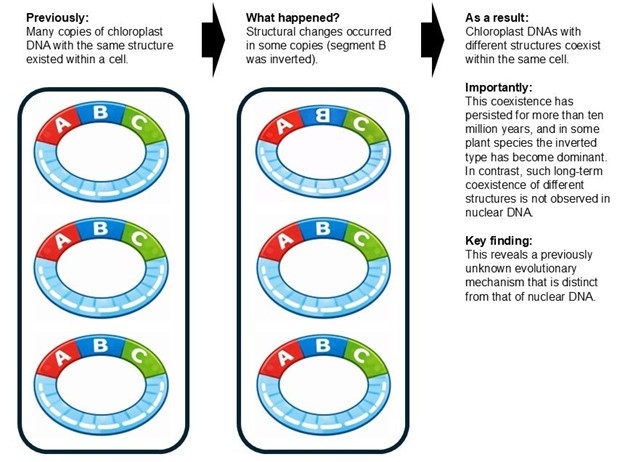
Overview of the Research
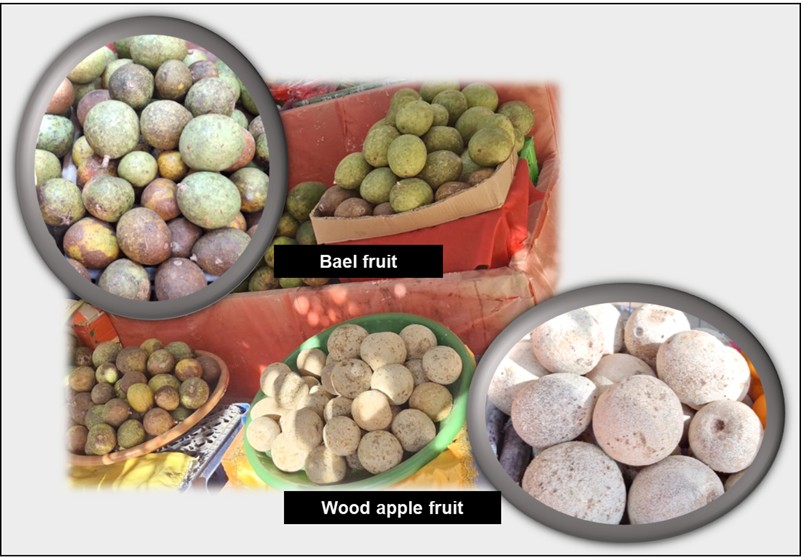
Wood apple and bael fruits commonly found in Sri Lankan local markets (Photographed by Mr. Manoj Namal Sudusinghe, a graduate of the University of Moratuwa, Sri Lanka)
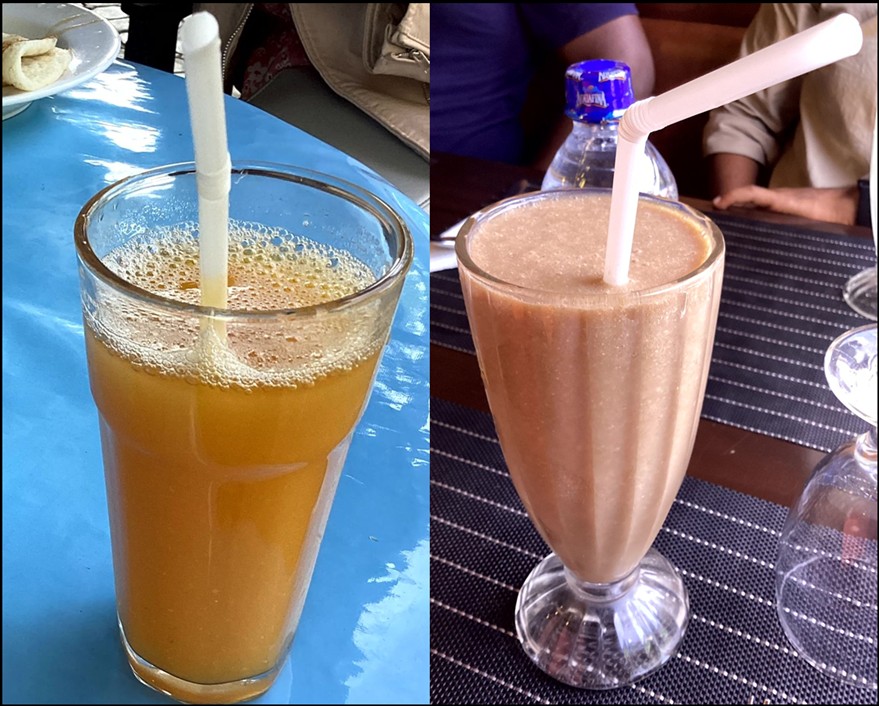
Bael (left) and wood apple (right) juice served at a restaurant in Sri Lanka (photographed byDr. Yukio Nagano, Saga University)