



Background of the Initiative
The “Bedrock Reality” That Symbolic Female Leadership Alone Cannot Change
In 2025, Japan witnessed the appointment of its first female Prime Minister, and approximately 90% of the public expressed support for greater social diversity. Yet despite these symbolic milestones, tangible progress in improving the status of women has remained limited. Japan’s Gender Gap Index has increased by only 0.017 points, underscoring the sobering reality that structural change has scarcely advanced.
Confronted with this reality, the organizer of this initiative was driven by a strong conviction: to help create a society in which women actively support one another, and to ensure that opportunities and aspirations are passed on to the next generation.
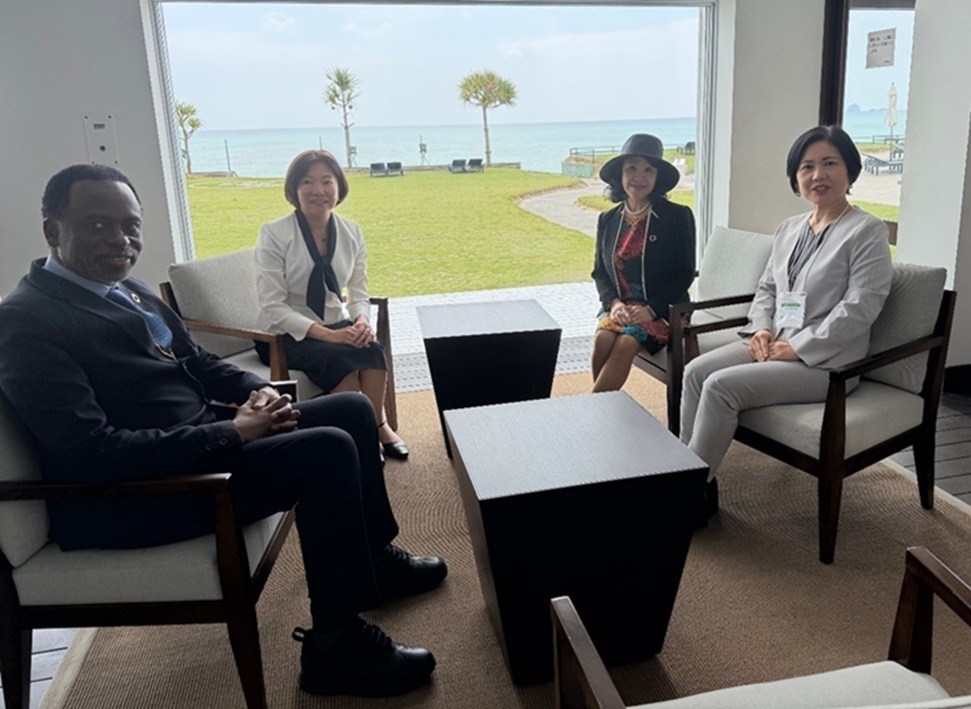
On March 26–27, 2026, the 1st International Island GX Model Academic Summit, hosted by the Institute of Ocean Energy at Saga University, was held on Kumejima Island, Okinawa. As part of the summit program, a special dialogue was held among three women leaders:
• Dr. Shinobu Yamaguchi, Director, United Nations University Institute for the Advanced Study of Sustainability (UNU-IAS)
• Ms. Katsura Miyazaki, Executive Senior Vice President and Chief Sustainability Officer (CSO), Japan International Cooperation Agency (JICA)
• Dr. Maiko Sakamoto, Senior Vice President for International Affairs, Saga University
This article captures the candid, heartfelt solidarity that emerged through their dialogue.
Breaking the “0.017 Wall”: Insights from the Frontlines of Medicine
Dr. Maiko Sakamoto (Saga University)
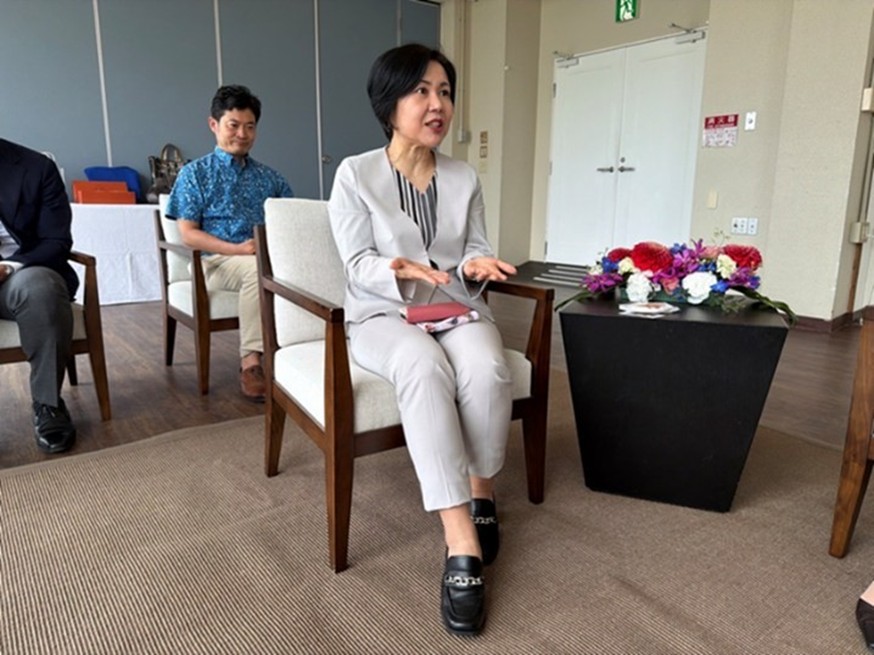
“There was a time when people would say, ‘Women tend to leave the medical profession partway through their careers, so increasing the number of female doctors is a problem.’ But today, that reality has clearly changed. Not only in major cities, but even at medical faculties of regional universities, it is no longer rare for women to make up more than half of the student body.
And yet, when you look at what happens as you get closer to positions of authority and decision-making, the number of men suddenly increases. That gap is still there, and it’s hard to explain why.
This is why I feel strongly that we need to rethink, at a fundamental level, how faculty members and professors are evaluated. We’ve relied for too long on numerical indicators alone—such as publication counts or the amount of research funding secured. Educational ability, leadership, and the interpersonal qualities that shape institutions also deserve to be properly recognized. Unless we change these evaluation standards, the male-dominated structures of the medical field will continue to persist.”
Promoting Participation by Female Faculty Members and Students
Dr. Shinobu Yamaguchi (UNU-IAS)
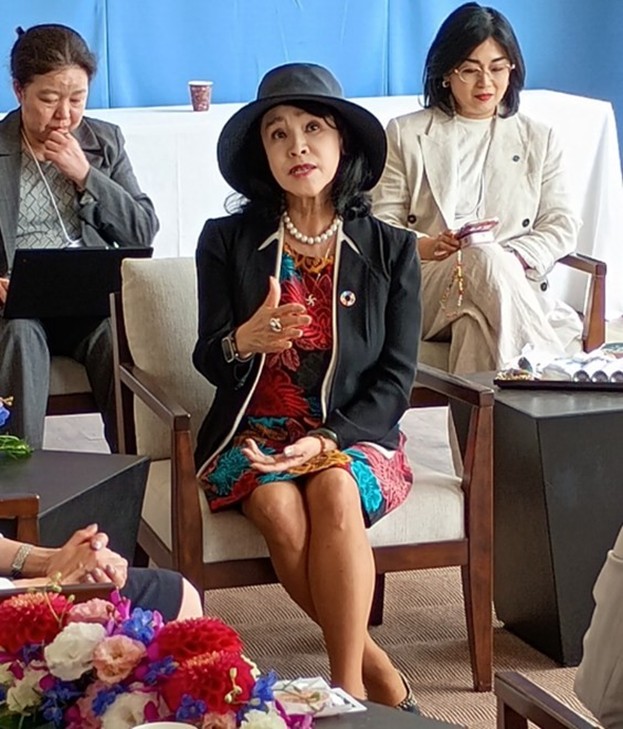
“I began my academic career at the Tokyo Institute of Technology in 2002, when women made up only about 3% of the faculty. At the time, the university launched initiatives to increase female student enrollment, which in turn required creating a work environment that was also supportive of women faculty members.
Motivated by this need, I ran for a council position and became the first woman to be elected. By joining the institution’s leadership, I was able to bring the voices and concerns of women faculty and staff into decision-making processes where they had previously gone unheard.
Throughout my career, I have learned that improvements in physical and institutional infrastructure must be accompanied by flexible approaches to work styles and time management. As a council member, engaging directly with representatives from each department enabled us to revise concrete institutional rules and foster a more inclusive and sustainable working environment.”
A United Nations Perspective: Designing Management for Work–Life Balance
Dr. Yamaguchi (UNU-IAS)
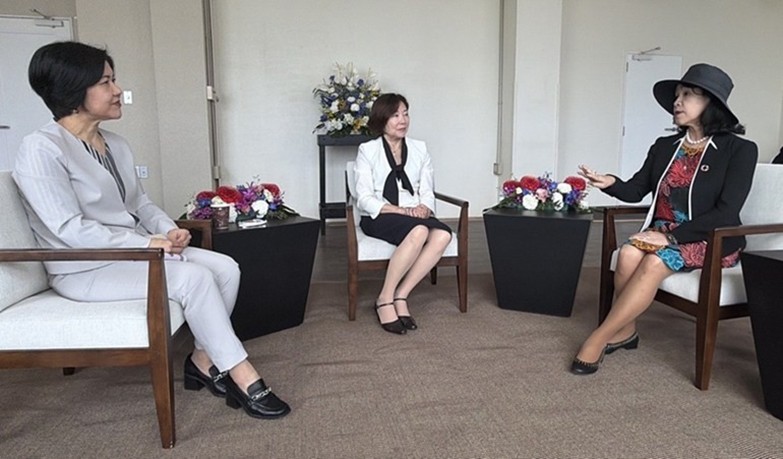
“When I assumed the role of Director of UNU-IAS in 2019, many female researchers were already playing active roles within the organization. To further enhance working conditions, it was crucial for the institution to proactively promote work–life balance.
At the Europe-based headquarters of another UN organization where I previously worked, taking leave was regarded not only as a right, but also as a responsibility. At the beginning of each year, when annual leave schedules were discussed, the Director would first declare their own plans for extended leave.
This practice helped cultivate a culture in which ‘if management takes leave, staff can do so without hesitation.’ I believe that deliberately designing organizational environments that value rest as a foundation for effective performance is indispensable to the sustainability of institutions.”
The Perspective Only Leaders Can See
Ms. Katsura Miyazaki (JICA)
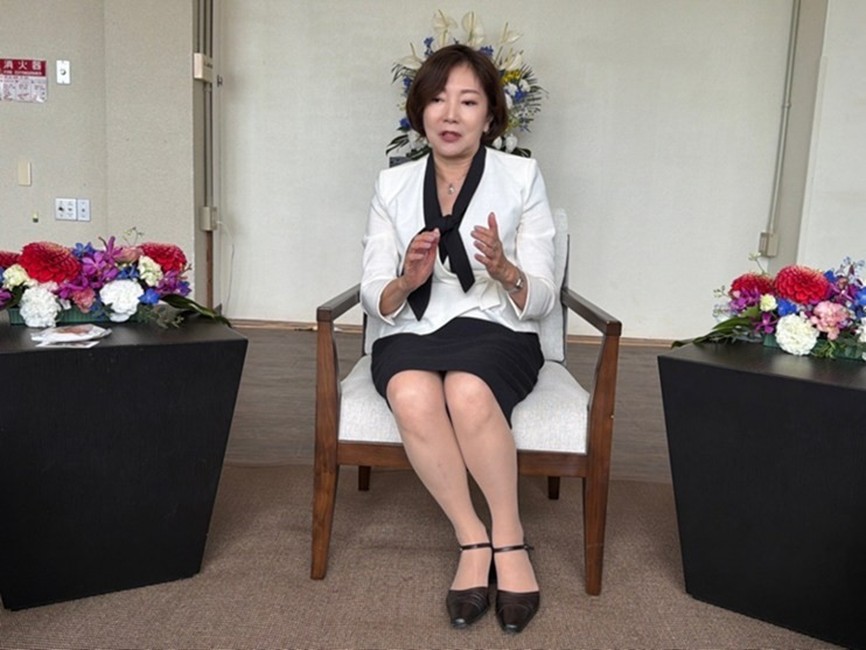
“At JICA, women currently hold four of the twelve executive officer positions—approximately one-third—indicating that a certain level of representation has been achieved. Nevertheless, many younger staff members, particularly women, still lack confidence when considering promotion to managerial roles.
Management positions are undoubtedly demanding. However, at the same time, they offer perspectives and opportunities for personal growth that can only be gained at that level. I want people to understand that leadership responsibilities often foster profound growth as a human being.
My goal is to develop systems and mindsets that allow everyone—regardless of gender, or of childcare or caregiving responsibilities—to work in ways that bring satisfaction to all stakeholders.”
Diversity of Values Ultimately Benefits Everyone
Ms. Miyazaki (JICA)
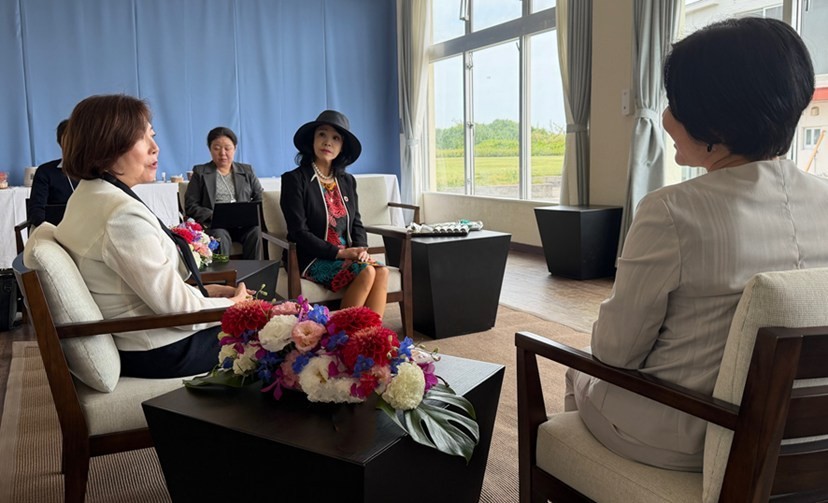
“There are cases of companies in which an increase in international staff—who openly say, ‘I don’t want overtime,’ or ‘I value my weekends’—has ultimately created a more comfortable working environment for everyone, including Japanese staff members.
As Dr. Yamaguchi also emphasized, embracing perspectives across different genders and nationalities can serve as a powerful catalyst for positive social transformation.”
Beyond the 17%: Encouraging More Students to Go Global — Embracing the World Without Fear of Failure
Ms. Miyazaki (JICA)
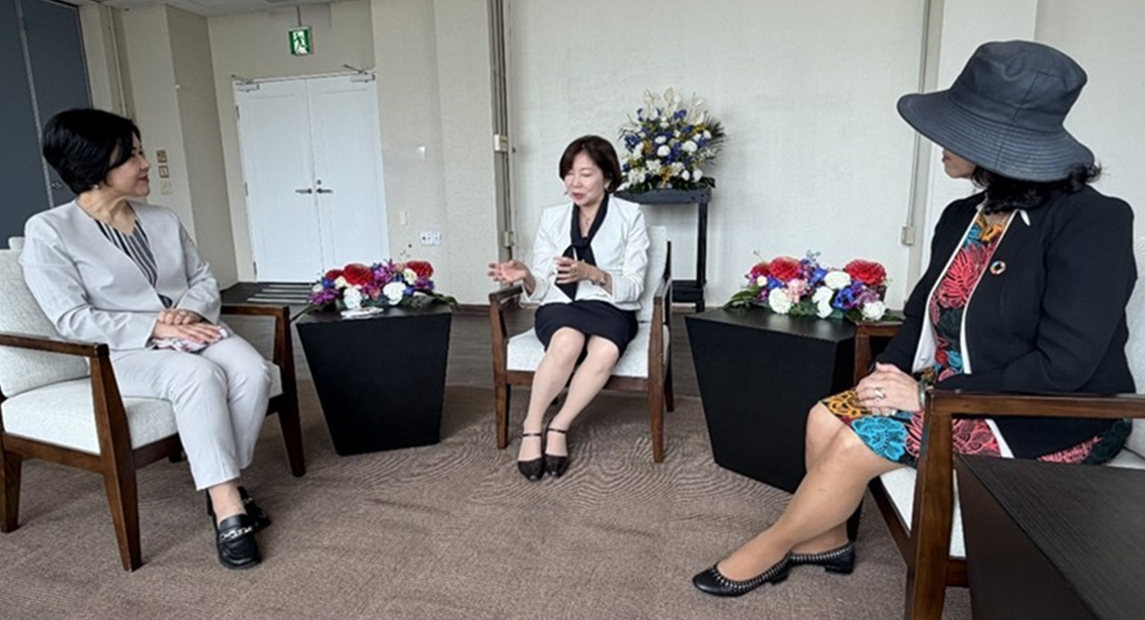
“Japan’s passport ownership rate is currently around 17%, which is remarkably low. I hope students will avoid becoming ‘frogs in a well who know nothing of the great ocean’ and instead venture abroad to gain diverse experiences.
Learning about the world ultimately deepens one’s understanding of Japan itself. Failure may happen—but if it does, you can recalibrate and try again. I want Japanese young people to have the courage to take that first step.”
Dr. Yamaguchi (UNU-IAS)
“My own career began with an exchange program in the United States during my university years, followed by nearly seventeen years of work abroad. By stepping outside familiar surroundings, you reconsider your own potential—and the confidence gained through that experience becomes the key that opens the next door.”
“We Are Not Perfect”
Although the three leaders are sometimes perceived as “superwomen,” none of them see themselves in that way. They attribute their current positions to continuing to pursue what they enjoy and do well, while moving forward without fear of failure.
At the conclusion of the dialogue, the message they conveyed from Kumejima Island to the next generation was clear:
“You can change the world, just as you are.”
Afterword
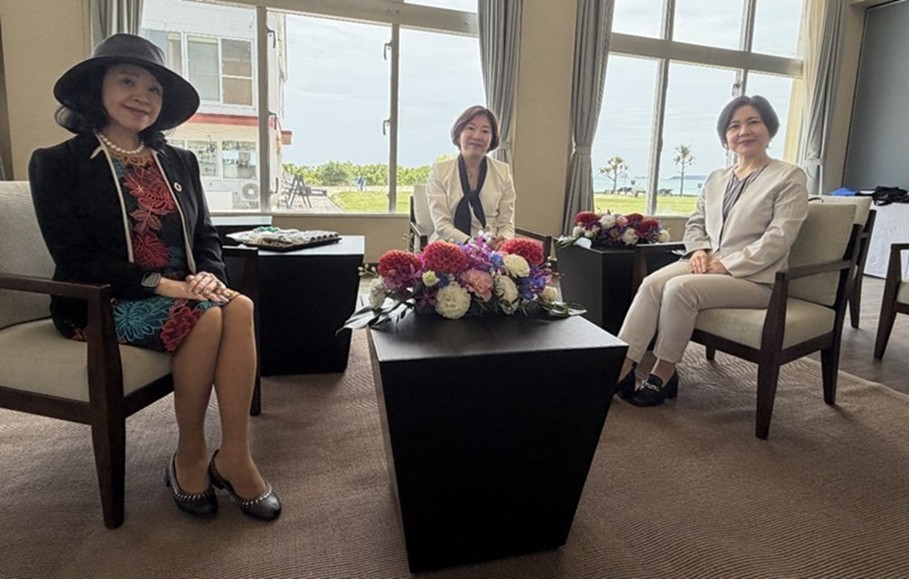
Prior to the dialogue, Prof. Tshilidzi Marwala, Rector of the United Nations University, visited the venue where the three leaders had gathered. Observing them standing side by side, he remarked:
“This solidarity itself is a symbol of diversity in knowledge.”
He expressed his strong support for the initiative.
Following the discussion, Dr. Yamaguchi proposed, “Let’s make this the beginning—and move toward a second edition.”
This dialogue was made possible through the sincere passion of one woman who aspired to follow their path and support them as a peer. That passion was further encouraged by President Koichi Node of Saga University.
In 2026, we believe that the words exchanged by these three leaders on Kumejima Island will become a “runway” toward the future for each and every one of us. Just as President Node placed his trust in Dr. Sakamoto as a leader, Saga University will continue to serve as a hub for a culture in which women support women.
【Contact】
Ms. Hiromi Yada: Head of Office for International Planning, Saga University
TEL: 0952-28-8166
Email: kokusai@mail.admin.saga-u.ac.jp